2G to be phased out by the end of 2028 Telefónica Deutschland is freeing up capacity for more modern mobile networks
01.06.2026
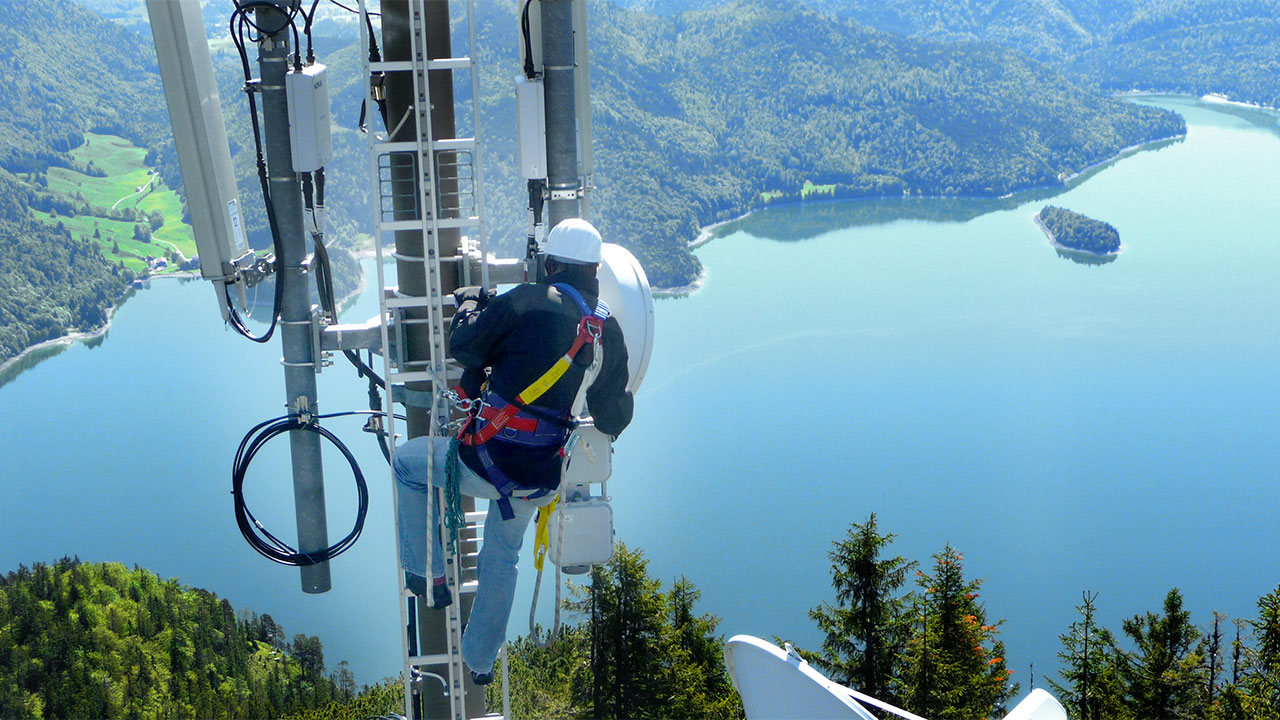
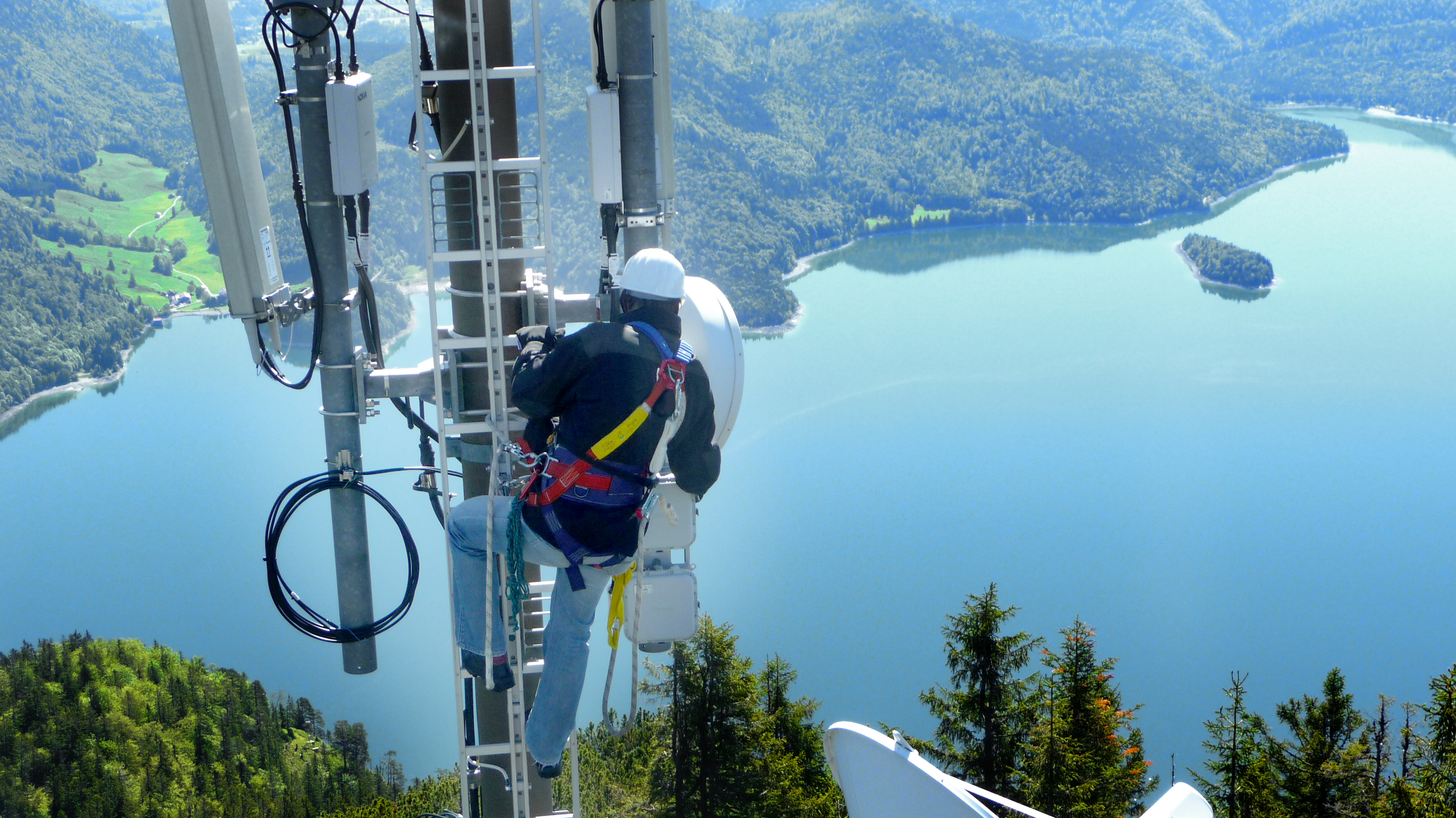
Telefónica Deutschland will shut down the mobile network technology 2G in the second half of 2028 (Credits: Telefónica Deutschland)
- Telefónica Deutschland will shut down 2G in the second half of 2028, as the technology has reached the end of its lifecycle
- The freed-up spectrum will be used for more powerful mobile standards.
- The telecommunications provider is giving consumers and businesses a clear timeline for the transition to modern standards.
- Nothing will change for most mobile users; the transition primarily affects older devices, as well as certain IoT solutions and existing enterprise applications.
- Telefónica Deutschland is supporting the technology transition with information, advice, and technical adjustments.
Telecommunications provider Telefónica Deutschland will shut down the 2G (GSM) mobile standard on its network in the second half of 2028. The technology was developed more than 30 years ago primarily for voice calls and SMS and has now reached the end of its lifecycle, which is why all German mobile providers are discontinuing 2G service. The company will use the freed-up frequencies for 4G/LTE and 5G in the future. This will allow Telefónica Deutschland to create additional capacity for mobile voice calls, data usage, and connected applications.
“We are building Germany’s digital backbone with modern mobile technologies and are retiring 2G, a more than 30-year-old standard that no longer meets today’s demands. While 2G once defined mobile communications, it was designed for voice and SMS and has reached its limits in a data-driven world. Today, nationwide 4G and 5G networks deliver significantly higher performance for streaming, mobile work, and connected applications. By phasing out 2G in the second half of 2028, we are creating planning certainty and unlocking valuable spectrum to further strengthen mobile broadband. This shift will improve networks exactly where people and businesses rely on them every day,” says Mallik Rao, Chief Operating Officer of Telefónica Deutschland.
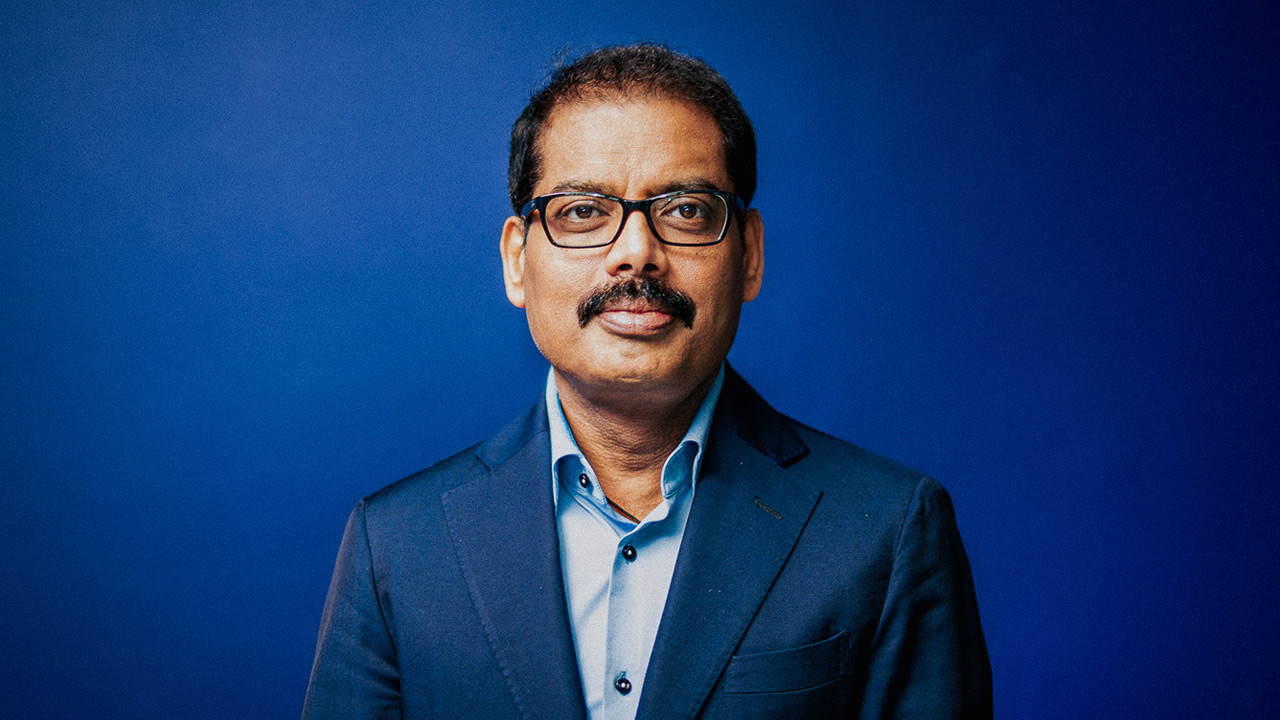
Mallik Rao
2G technology is now considered obsolete. 4G and 5G support broadband mobile connectivity—with higher data rates and more efficient use of the scarce mobile spectrum. On the O2 network, the volume of data transmitted rose to 6.4 billion gigabytes in 2025—making it roughly twenty times higher than it was ten years ago.
The 2G shutdown is part of a broader trend in Europe. Network operators in several countries have already shut down 2G or are planning to do so.
What the end of 2G means for consumers
“For most consumers, nothing will change, and they can generally look forward to the end of 2G with confidence. It primarily affects older devices,” says Mallik Rao.
The vast majority of consumers already own a 4G- or 5G-capable device that also supports mobile voice calls via modern standards (Voice over LTE; VoLTE). Action is needed for older mobile phones that only support 2G or do not support voice calls on 4G or 5G networks. Telefónica Deutschland recommends that affected customers check their devices early and switch to suitable models if necessary. This ensures that mobile telephony remains available without interruption even after the 2G phase-out begins.
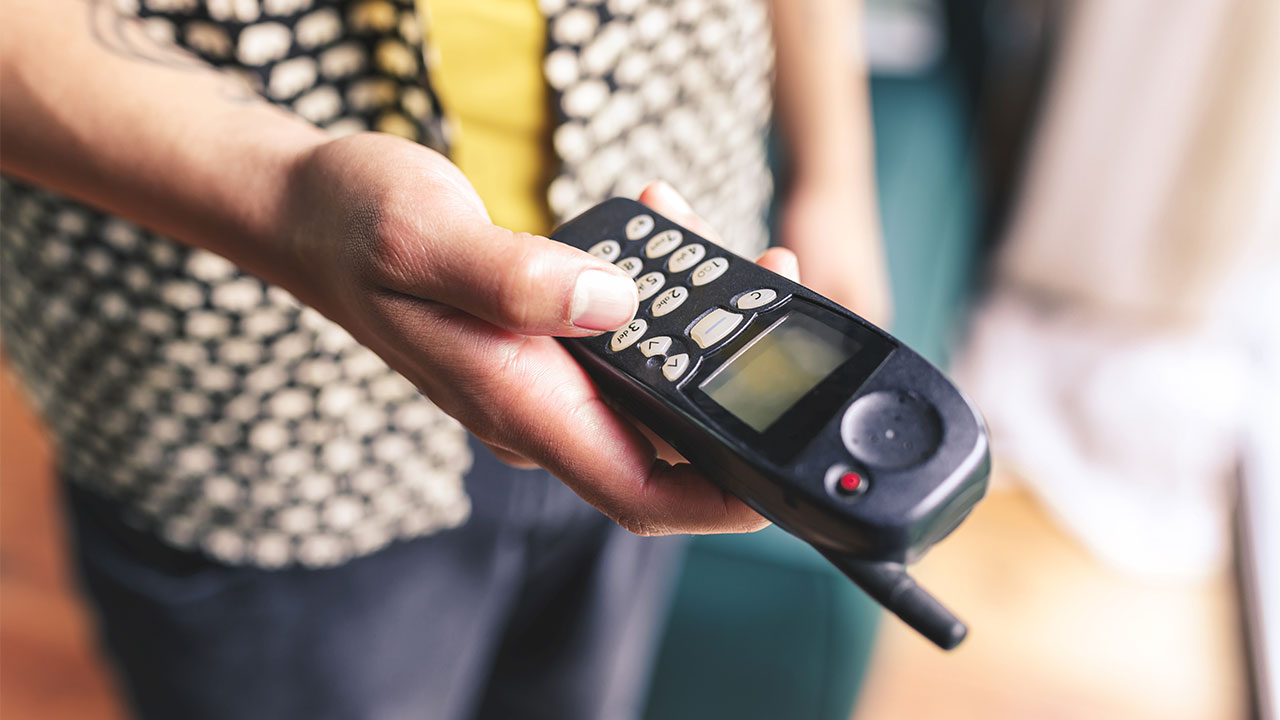
A mobile phone from the 2G era: What once defined mobile communication has long since given way to modern smartphones (Credits: iStock / golero)
What companies should do now
The majority of industrial applications already run on 4G and 5G today. Older connected devices and systems that still communicate via 2G—so-called M2M and IoT applications—are particularly likely to be affected. These include telemetry, alarm, and other permanently installed systems.
For companies, operators, and institutions, the announcement is therefore primarily a planning signal to transition to successor technologies such as 4G, 5G, and the machine networks 4G Narrowband-IoT or 5G RedCap as early as possible.
“Anyone still using 2G in devices or systems today should start the transition now. Acting early reduces the risk of outages and lays the technological foundation for the next years. We are supporting the transition with clear information, advice, and solutions for switching to new technology,” says Mallik Rao.
With this move, Telefónica Deutschland is continuing the transition to modern mobile communication standards in a planned manner and laying the groundwork for additional network capacity.
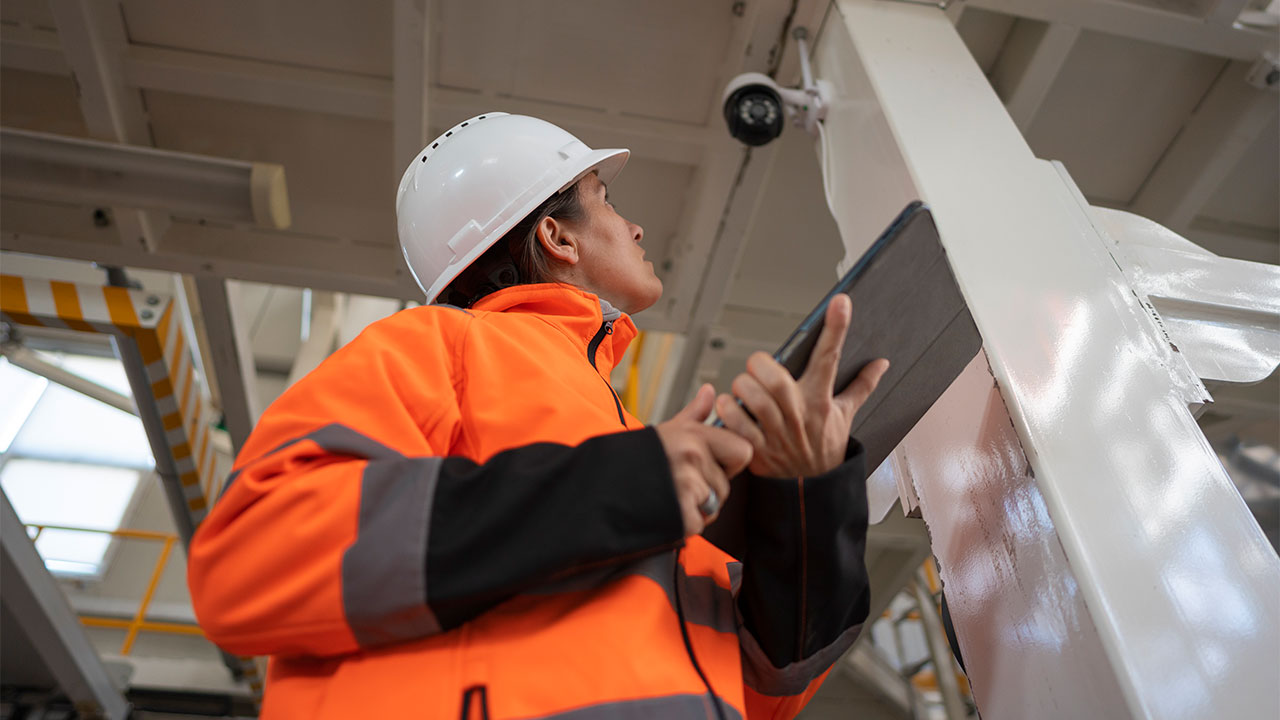
From 2G to modern IoT connectivity: Connected cameras and other business applications are switching to more powerful 4G and 5G technologies (Credits: iStock / Daniel Balakov)
Checklist for consumers
- Check device: Does the mobile phone support all services such as 4G/VoLTE or 5G? If so, no action is usually required. The specifications provided by the respective device manufacturer offer guidance.
- Check settings: Is the device configured in the system settings to allow voice calls via VoLTE (“Voice over LTE”), so that the 4G network is used for calls? For very old devices: Switch to a current 4G/5G-capable device to ensure you can continue using voice and data services both domestically and abroad. Telefónica Deutschland’s brands and partner brands offer suitable smartphone plans as well as bundled offers for mobile phones and contracts on their websites.
Checklist for companies and operators
- Inventory assessment: Which devices, systems, fleets, or locations still use 2G (e.g., telemetry, alarms, tracking, emergency call technology)?
- Check devices: Do employees’ mobile phones support all services such as 4G/VoLTE or 5G? If so, there is generally no need for action.
- Contact experts: The experts at O2 Business are available to answer your questions at any time.
- Plan the technology transition: Depending on the use case, current technologies such as 4G/LTE, 5G, NB-IoT, or RedCap may be considered—with early testing to avoid disruptions.
- Start early: Many IoT solutions are deployed long-term—the earlier you plan, the lower the risk of unplanned outages.
About Telefónica Germany
| Telefónica Deutschland is a leading full-service provider of telecommunications services for residential and business customers. The portfolio of its core brand, O2, as well as various secondary and partner brands, includes not only traditional voice and internet services but also innovative digital services in the areas of the Internet of Things, security, entertainment, and data analytics. In mobile communications, Telefónica Deutschland serves approximately 35 million mobile connections (as of March 31, 2026). The company is the leading mobile provider in the consumer market and in the market for innovative partner offerings, as well as a rapidly growing provider in the solutions business for corporate customers. The company’s high-performance and multi-award-winning mobile network reaches more than 99 percent of the population. In the fixed-line sector, O2 offers leading technological diversity and geographic coverage in Germany. In fiscal year 2025, the company generated revenue of 8.2 billion euros. The company is majority-owned by the Spanish telecommunications group Telefónica S.A., headquartered in Madrid, one of the world’s largest telecommunications groups. |
Downloads
Mallik Rao - Portrait
JPG | 844 kb