
Mobile phone network via satellite Telefónica Germany tests digitally sovereign satellite mobile communications with European operator OQ Technology
08.06.2026
Telefónica Germany and OQ Technology are testing direct wireless communication between satellites and smartphones (Credits: iStock / imaginima, Delmaine Donson)
- Telefónica Germany is cooperating with the European satellite operator OQ Technology to test two-way direct-to-device connections for texting and voice messaging over satellite
- Tests are being conducted in Mecklenburg-Western Pomerania using Telefónica Deutschland's frequency spectrum
- Cooperation builds the path to strengthening the resilience of digital infrastructures and contributes to European digital sovereignty
Telecommunications provider Telefónica Germany and European satellite operator OQ Technology, based in Luxembourg, are joining forces to demonstrate sovereign European D2D satellite connectivity from low earth orbit (LEO) directly to smartphones in Mecklenburg-Western Pomerania – using Telefónica Deutschland’s frequency spectrum. In areas where cell towers cannot be built or where the permitting process takes a long time, satellite-based mobile connectivity serves as an important complementary solution. The collaboration represents a sovereign European approach to the further development of mobile and satellite technologies.
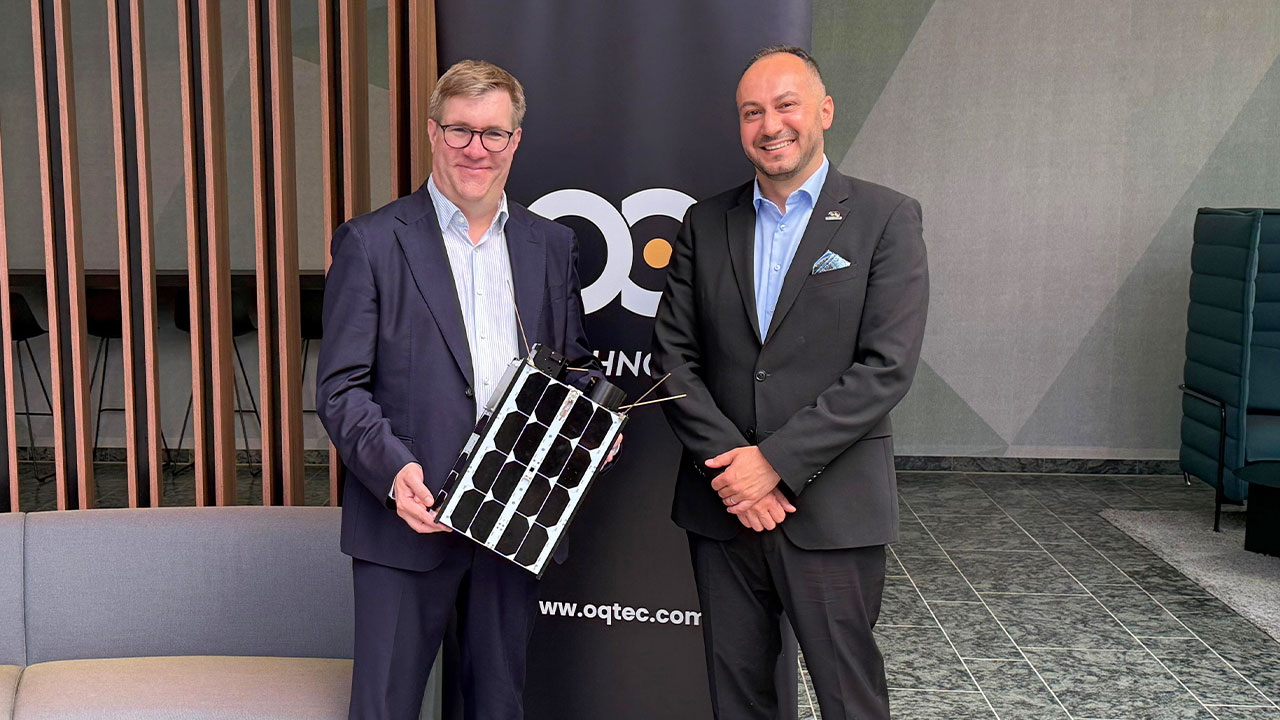
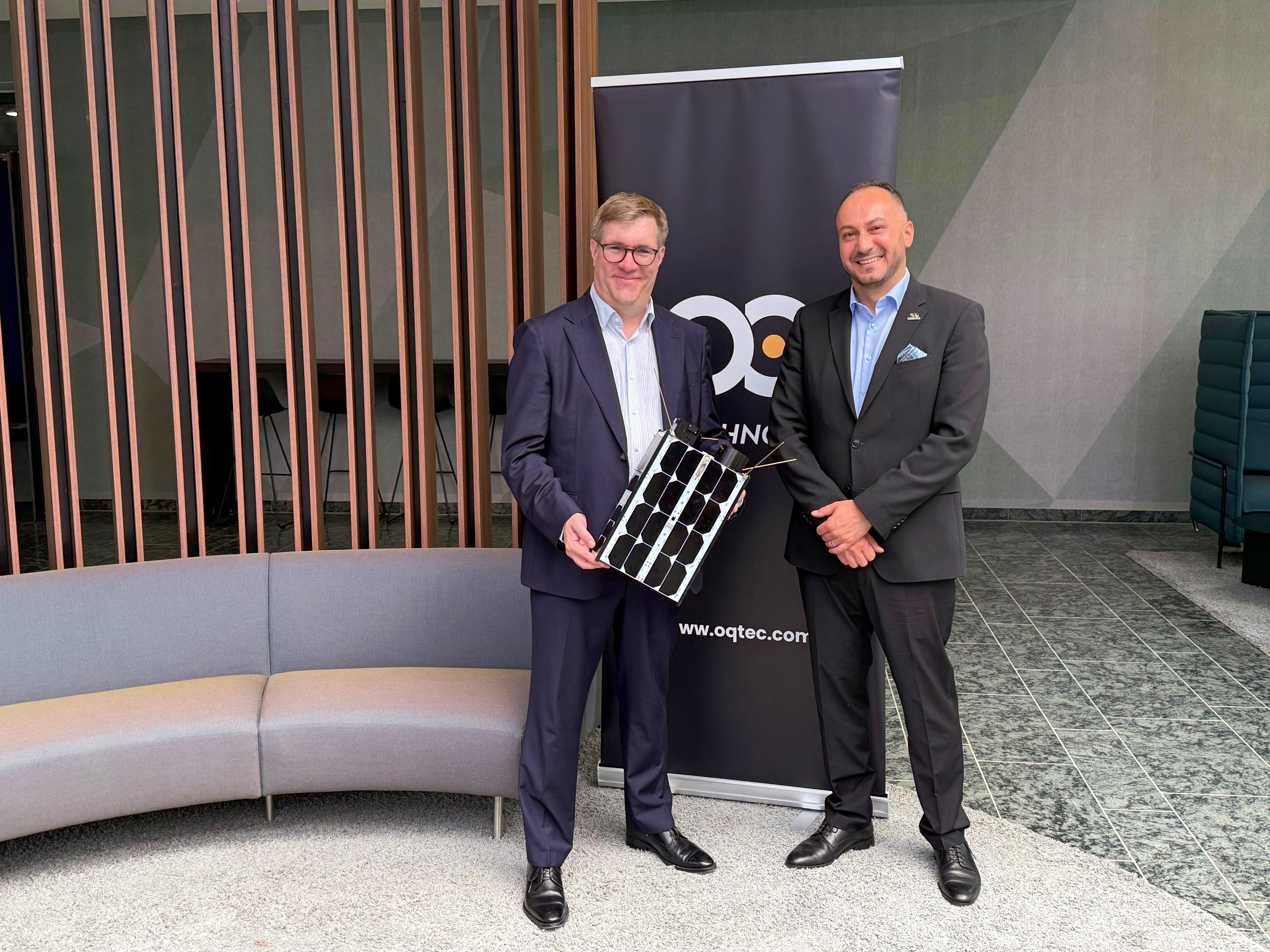
Telefónica Executive Board Member Jörg Kablitz with OQ CEO Omar Qaise (from left to right)
“This is an important step for Germany's digital infrastructure: We are testing mobile communications connections directly between satellites and conventional smartphones – using a European technology approach and with the aim of strengthening Europe's digital sovereignty,” says Jörg Kablitz, Chief Partner & Wholesale Officer at Telefónica Germany. “The satellite-based service is intended to supplement existing mobile networks – in areas where expanding infrastructure on the ground would be extremely costly or impossible.”

Jörg Kablitz (Credits: Telefónica Deutschland)
“Europe must develop its own sovereign and interoperable space-based mobile infrastructure,” says Omar Qaise, Founder and CEO of OQ Technology. “This collaboration with Telefónica Germany demonstrates that European operators and European satellite companies can jointly build next-generation connectivity solutions based on open standards, licensed spectrum, and existing smartphones. Our D2D satellite network is designed to seamlessly complement terrestrial mobile networks, extending coverage where it is most needed while preserving terrestrial mobile operator control and their spectrum sovereignty.”
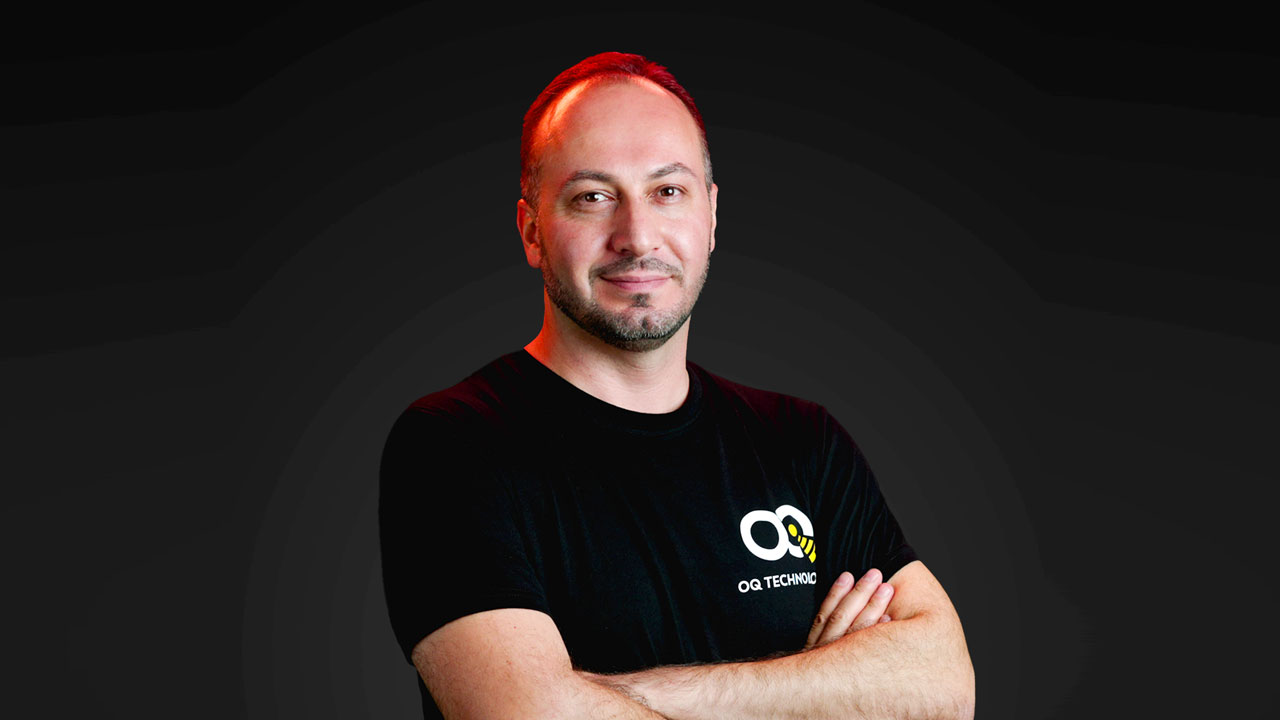
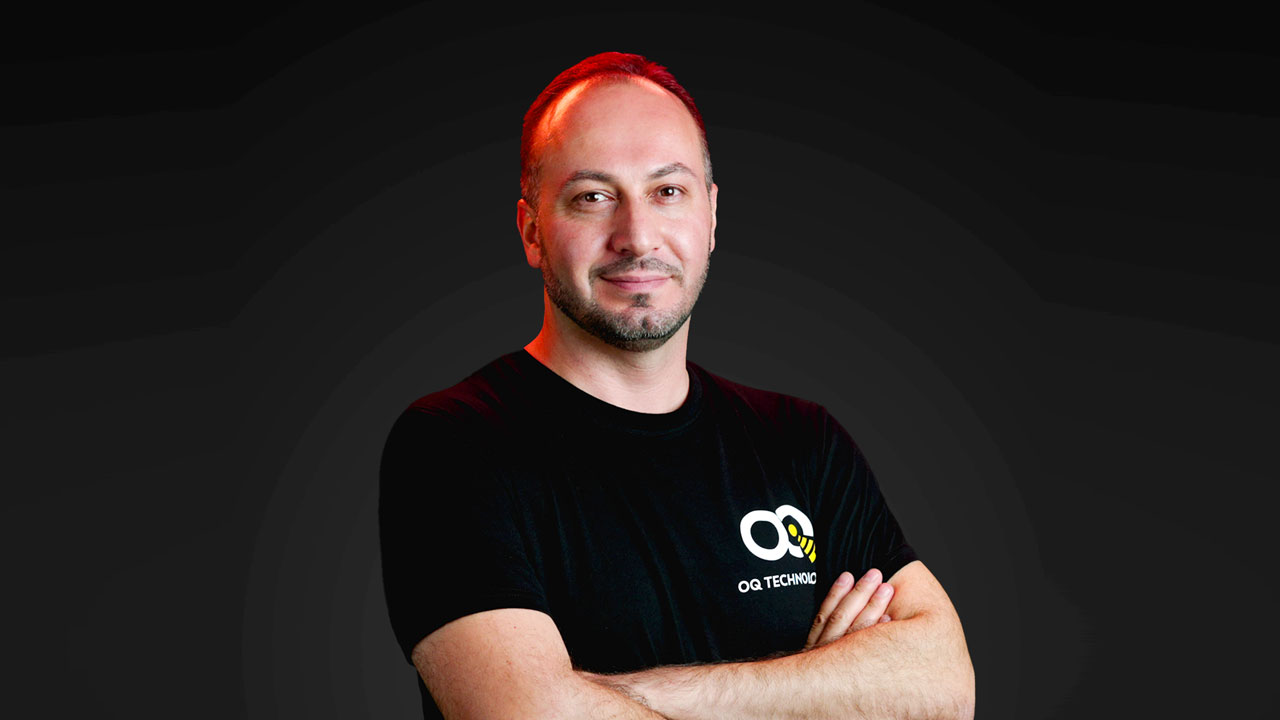
Omar Qaise, OQ Technology (Credits: OQ Technology)
OQ Technology is a Luxembourg-based satellite operator pioneering 5G Non-Terrestrial Network (NTN) connectivity. The company is the first in Europe to operate a Low Earth Orbit (LEO) constellation dedicated to direct-to-device (D2D) services, to deliver secure, seamless, and standardized connectivity to unmodified smartphones and IoT devices, serving enterprises, governments, and consumers.
Mecklenburg-Western Pomerania becomes a pioneer for European satellite connections to cell phones
Mecklenburg-Western Pomerania is particularly well-suited for this groundbreaking project: this expansive state is home to numerous nature reserves, coastal forests, and lakes. In such areas, traditional mobile network expansion faces limitations – such as lengthy permitting processes. Often, the construction of new cell towers is only possible to a very limited extent, if at all. This is precisely where satellite-based direct-to-device technology is being demonstrated. In this setup, the mobile signal connects directly from the satellite to the user’s smartphone.
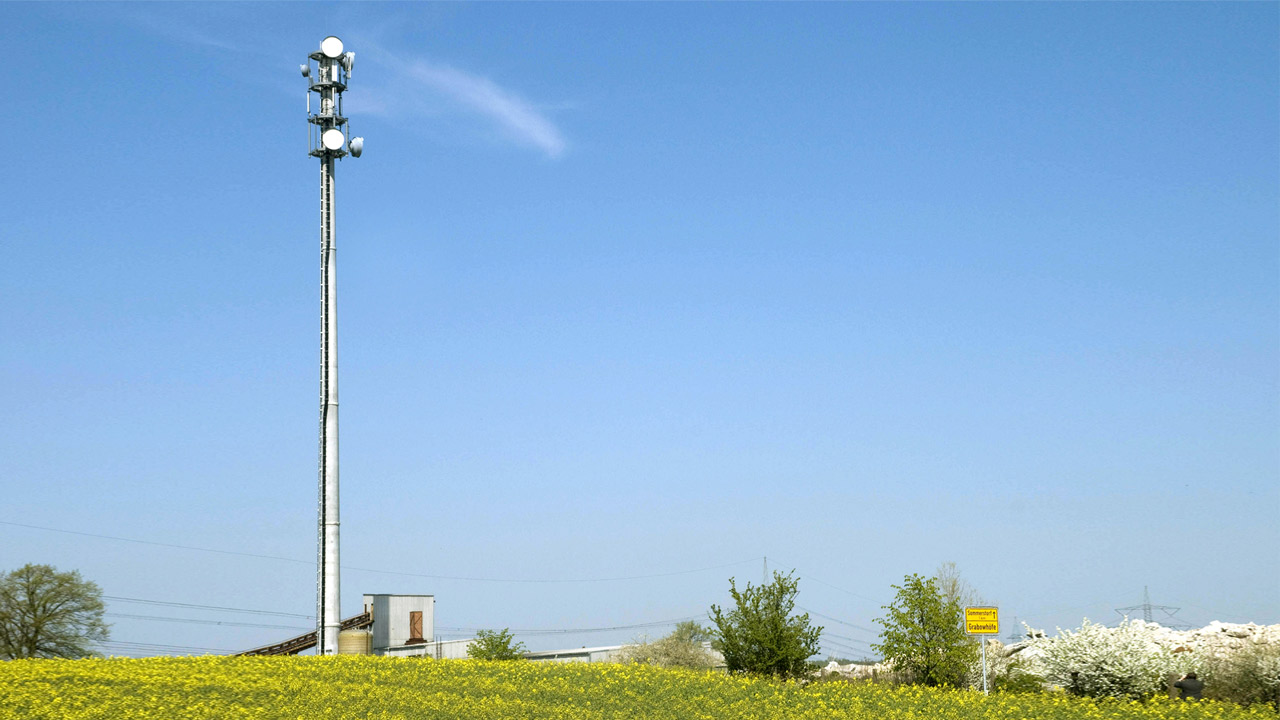
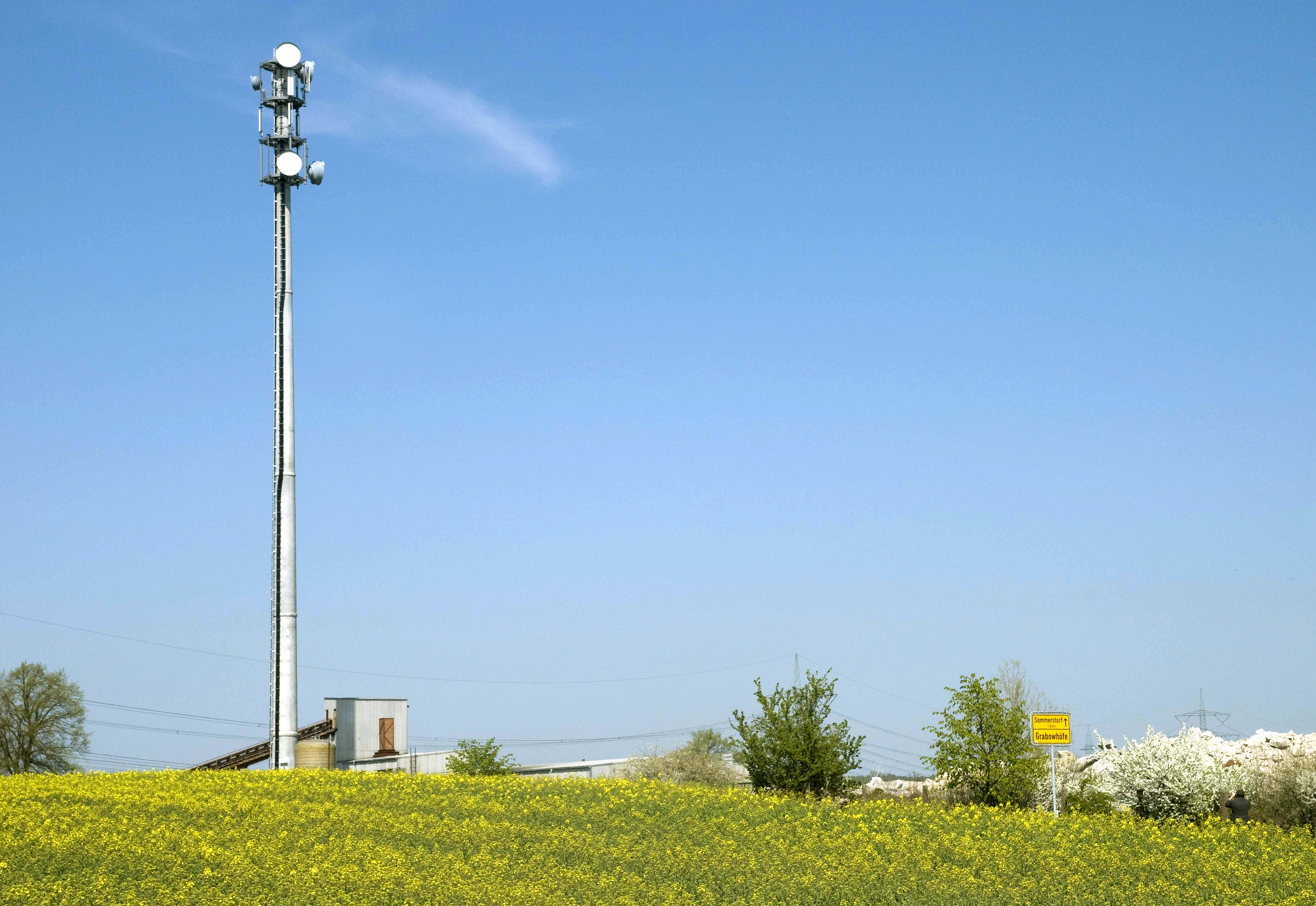
In rural areas in particular, satellites can supplement existing cell towers to provide more comprehensive coverage (Credits: Telefónica Deutschland)
Experience from the business customer sector IoT connectivity for global networking
In the business customer sector, the combination of mobile and satellite communications is already relevant: Telefónica Germany has entered into a partnership with OQ Technology to enable companies to monitor and control their IoT applications worldwide via OQ Technology's satellite network.
The field test in Mecklenburg-Western Pomerania builds on this experience. The live tests are to be carried out over the course of the coming year. This brings Telefónica closer to its goal of providing citizens, businesses, and public administrations with the best possible access to digital technologies.
Further information Interaction with non-terrestrial networks (NTN)
The test focuses on OQ’s LEO (Low Earth Orbit) satellites which orbit the Earth at an altitude of around 500 to 600 kilometers. This significantly lower orbit compared to geostationary satellites allows unserved areas to be covered in a more targeted manner. At the same time, the response time (latency) can be noticeably improved, making phone calls and surfing the Internet more pleasant than with classic satellite phone solutions.
OQ Technology has already demonstrated D2D connectivity using its own MSS S-band spectrum, and has another D2D mission and satellite launch planned for mid-2026. The new mission with Telefónica Germany will demonstrate that OQ satellite payloads are equipped with proven multi-band technology also capable of supporting direct-to-device connectivity using multiple spectrum bands of Telefónica Germany.
Non-terrestrial networks (NTN) are also gaining importance in standardization: NTN approaches are currently being intensively developed by the 3GPP standardization organization; NTN is expected to play a greater role in the upcoming 6G mobile communications standard. The International Telecommunication Union (ITU) is also addressing this issue: at the 2027 World Radio Conference in Shanghai, one of the topics to be discussed will be how mobile frequencies can also be used for satellite applications in the future, while maintaining network operators' control over their frequency bands. Telefónica is supporting these preparations at national and international level.
About Telefónica Deutschland
| Telefónica Deutschland is a leading full-service provider of telecommunications services for residential and business customers. The portfolio of its core brand, O2, as well as various secondary and partner brands, includes not only traditional voice and internet services but also innovative digital services in the areas of the Internet of Things, security, entertainment, and data analytics. In mobile communications, Telefónica Deutschland serves approximately 35 million mobile connections (as of March 31, 2026). The company is the leading mobile provider in the consumer market and in the market for innovative partner offerings, as well as a rapidly growing provider in the solutions business for corporate customers. The company’s high-performance and multi-award-winning mobile network reaches more than 99 percent of the population. In the fixed-line sector, O2 offers leading technological diversity and geographic coverage in Germany. In fiscal year 2025, the company generated revenue of 8.2 billion euros. The company is majority-owned by the Spanish telecommunications group Telefónica S.A., headquartered in Madrid, one of the world’s largest telecommunications groups. |