
For critical industry processes and applications Telefónica Deutschland and Crout launch Resilient Connectivity Solution
07.07.2026
Together, the companies Telefónica Deutschland and Crout are now launching the IoT-solution “2CoreSIM” on the market (Credits: iStock / ihor lishchyshyn)
- Greater reliability for critical processes – new connectivity solution for logistics, food retail, healthcare, manufacturing, security, critical infrastructure, and backup systems
- “2CoreSIM” offers two independent network profiles on a single SIM card—automatic switching between Telefónica Deutschland and Melita in the event of poor reception or technical disruptions
- A partnership approach for resilient IoT connections—Telefónica Deutschland contributes network and connectivity expertise, while Crout provides IoT know-how, access to the Maltese network operator Melita, and customer proximity
When monitoring cold chains, securing cash transports, transmitting vital data, or activating backup systems, the connection must never be interrupted. Telecommunications provider Telefónica Deutschland has gained a new partner for the Internet of Things in the German company Crout. Together, the companies are now launching the “2CoreSIM” on the market: an IoT solution that combines two independent network profiles on a single SIM card and automatically switches to the alternative connection in the event of disruptions.
“Digital processes are becoming increasingly business-critical for companies. Anyone who monitors the flow of goods, transmits medical data, controls security systems, or operates backup systems needs connectivity that works even in the event of a disruption,” says Jörg Kablitz, Chief Partner & Wholesale Officer at Telefónica Deutschland. “The partnership with Crout demonstrates how strong networks, IoT expertise, and intelligent SIM technology come together to create a solution that gives companies greater reliability and operational control.”

Jörg Kablitz (Credits: Telefónica Deutschland)
“Crout develops IoT solutions for companies that view connectivity not as an add-on, but as part of their core business,” says Frank Kiesewetter, CEO of Crout. “If temperature data doesn’t arrive, a logistics problem becomes a quality risk, or if video surveillance and alarm systems fail, this can lead to immediate security risks and financial consequences. Even wildfire and flood early-warning systems only work if alerts are received in a timely manner. Together with Telefónica Deutschland, we are therefore bringing resilient connectivity to places where outages are particularly costly, risky, or business-critical. The solution reduces complexity and embeds reliability directly into the SIM card.”
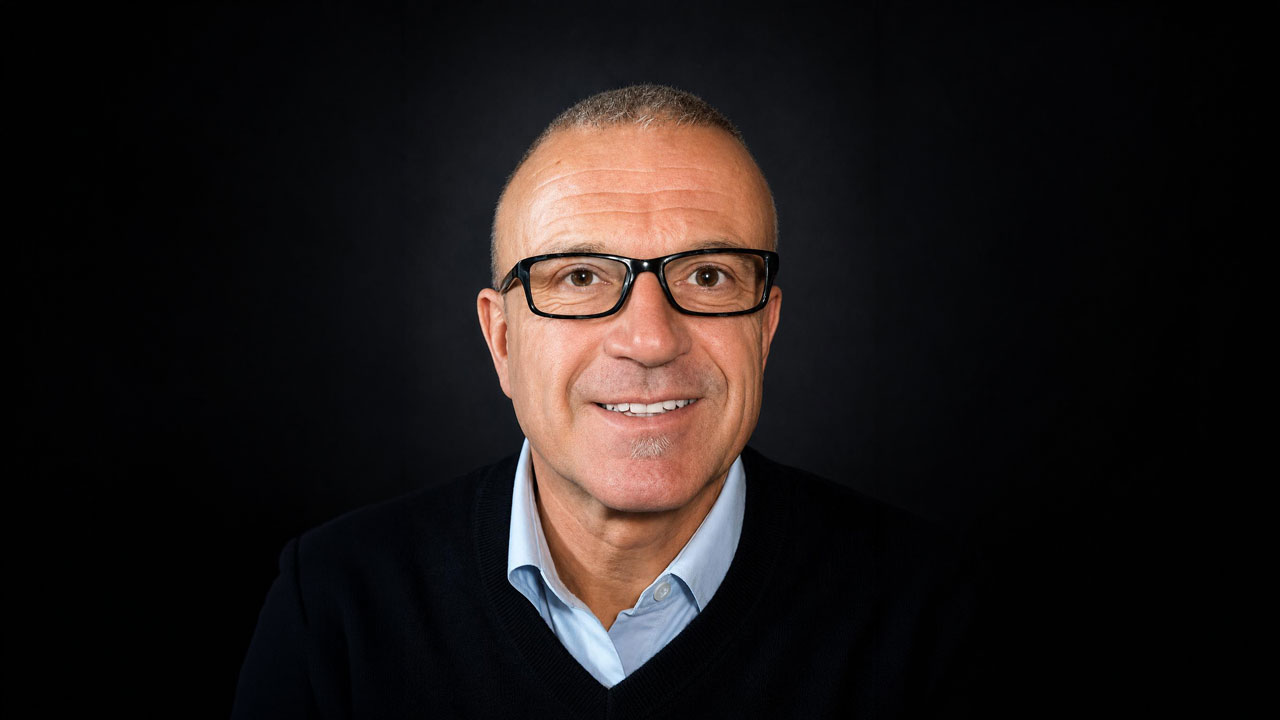
Frank Kiesewetter (Credits: Crout)
With this new solution, Telefónica Deutschland and Crout are targeting companies whose digital applications and backup systems must remain reliably connected even during network disruptions, fluctuating coverage, or technical failures. The SIM card uses one profile for Telefónica Deutschland’s highly developed mobile network and a second profile that accesses the network and international roaming footprint of the Maltese mobile network operator Melita. This provides two independent infrastructures—from the core network down to the radio cell.
The intelligence is built right into the SIM
The technical core of the solution lies in the SIM card itself. It can automatically switch between two eSIM profiles without requiring companies to install additional apps or manually configure their own profiles. This is where the product name “2CoreSIM” comes from. If the primary connection is unavailable—for example, due to a lack of cellular coverage, local disruptions, or major system failures in the core network or IT infrastructure—the SIM activates the alternative profile.
Control takes place directly on the card, which is built into the respective IoT device.
The solution thus goes beyond traditional roaming. It relies not only on multiple cellular networks but on two separate network profiles and infrastructures. In the future, the SIM will be able to integrate various network layers—terrestrial cellular networks, satellite-based connections, and short-range radio.
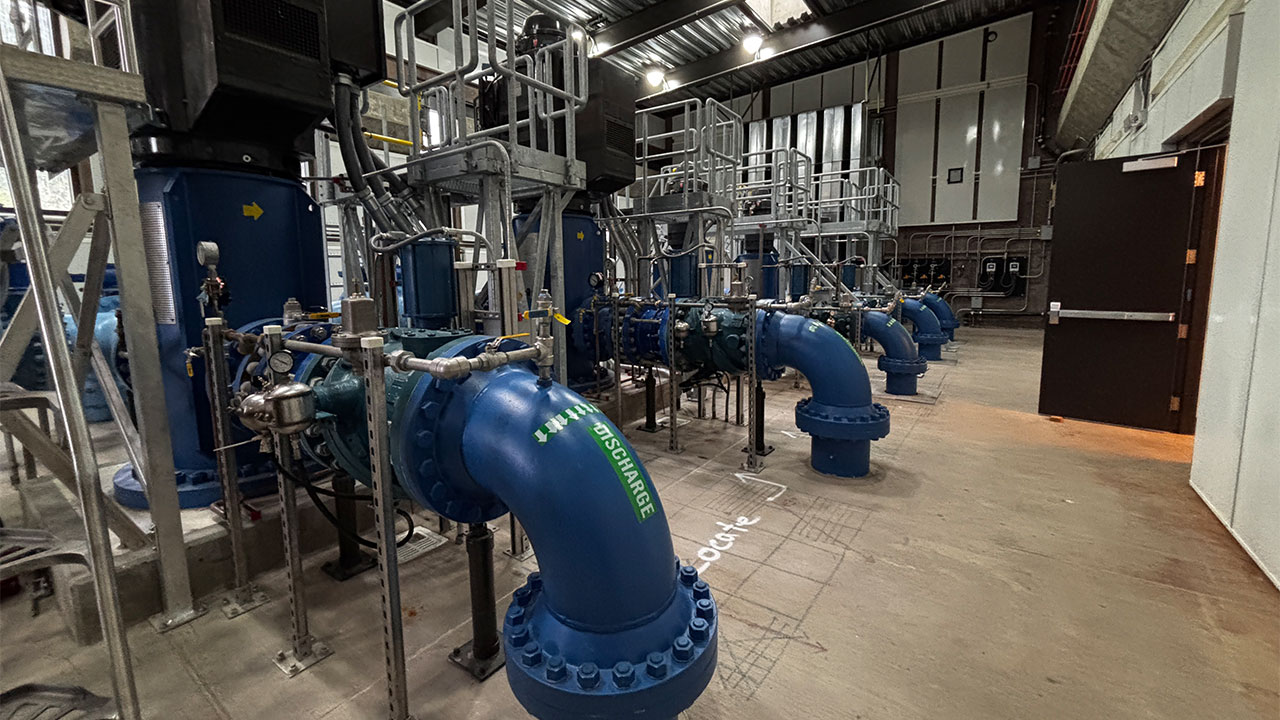
Pumping stations, water treatment plants, and oil and gas pipelines are provided with uninterrupted connectivity to safeguard continuous supply (Credits: iStock / B R Vittori)
Relevance arises in specific use cases
The 2CoreSIM is suitable for applications where stable connectivity is essential for operation. In logistics, high-value goods, containers, or cash-in-transit vehicles can be continuously monitored. In the food retail and pharmaceutical logistics sectors, temperature data from cold chains can be transmitted more reliably. In healthcare, resilient connectivity supports the transmission of vital signs and device data. In industry and security, sensors, machines, security systems, and backup solutions remain accessible even if the primary connection fails. Pumping stations, water treatment plants, and oil and gas pipelines are provided with uninterrupted connectivity to safeguard continuous supply. In flood monitoring and wildfire detection systems, the 2CoreSIM ensures that alarms are reliably received.
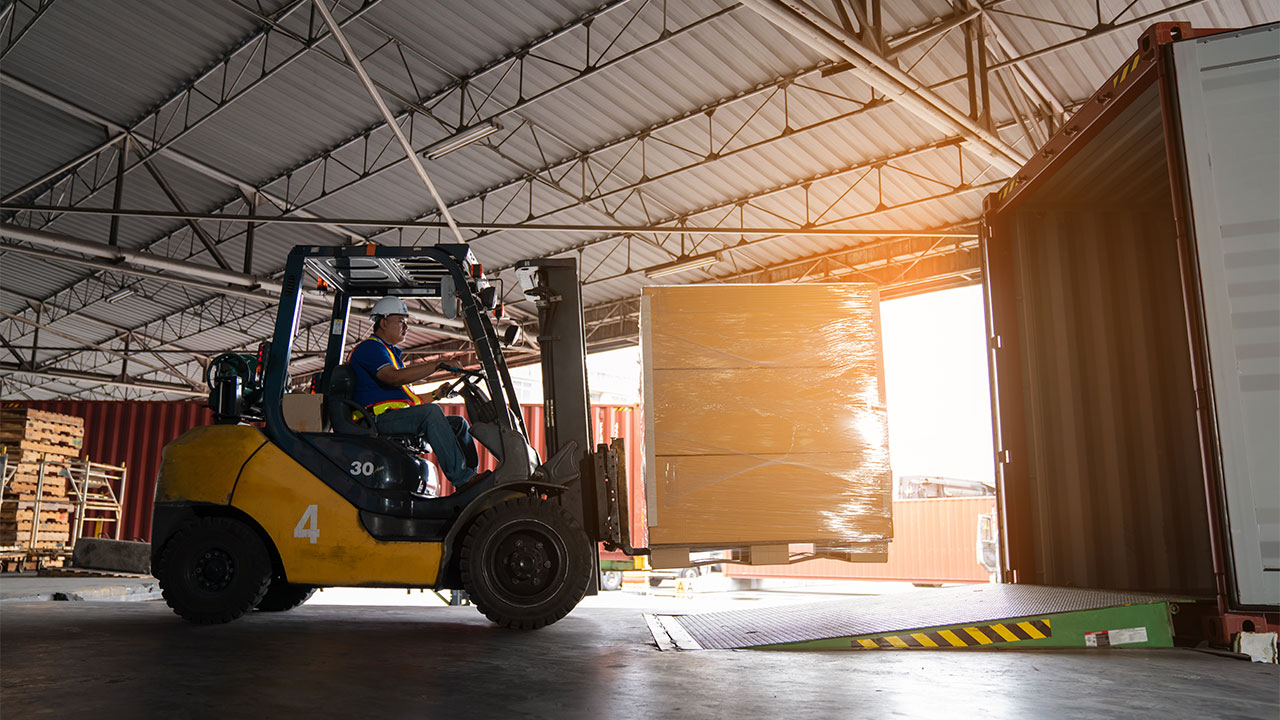
In logistics, high-value goods, containers, or cash-in-transit vehicles can be continuously monitored (Credits: istock / kelvn)
The collaboration also embodies a partner-based approach that is becoming increasingly important in the market. Telefónica Deutschland contributes its own expertise in digital networking as well as its modern core and antenna network with more than 29,000 sites. Crout complements the solution with IoT know-how, access to the mobile network operator Melita, and proximity to customers in relevant industries. The result is an integrated solution for highly available IoT connections built from multiple components. With this solution, Telefónica is taking another step toward providing citizens and businesses with the best gateway to digital technologies.
| About Telefónica Deutschland Telefónica Deutschland is a leading full-service provider of telecommunications services for residential and business customers. The portfolio of its core brand, O2, as well as various secondary and partner brands, includes not only traditional voice and internet services but also innovative digital services in the areas of the Internet of Things, security, entertainment, and data analytics. In mobile communications, Telefónica Deutschland serves approximately 35 million mobile connections (as of March 31, 2026). The company is the leading mobile provider in the consumer market and in the market for innovative partner offerings, as well as a rapidly growing provider in the solutions business for corporate customers. The company’s high-performance and multi-award-winning mobile network reaches more than 99 percent of the population. In the fixed-line sector, O2 offers leading technological diversity and geographic coverage in Germany. In fiscal year 2025, the company generated revenue of 8.2 billion euros. The company is majority-owned by the Spanish telecommunications group Telefónica S.A., headquartered in Madrid, one of the world’s largest telecommunications groups. |
Downloads
2CoreSIM logo
PNG | 262 kb

Suggested images (iStock)
Logistics - option 1