
10.07.2025
Fresh breeze for the O2 network: Electricity from German coasts powers the mobile network

- O2 Telefónica now covers around 60 percent of its own electricity consumption with wind farms in the North Sea and Baltic Sea
- Telecommunications provider launches new electricity supply contract with Iberdrola Deutschland – wind power from the Baltic Eagle offshore wind farm off the island of Rügen
- Long-term contracts support the company's climate targets and offer planning security for the power supply of its nationwide mobile network
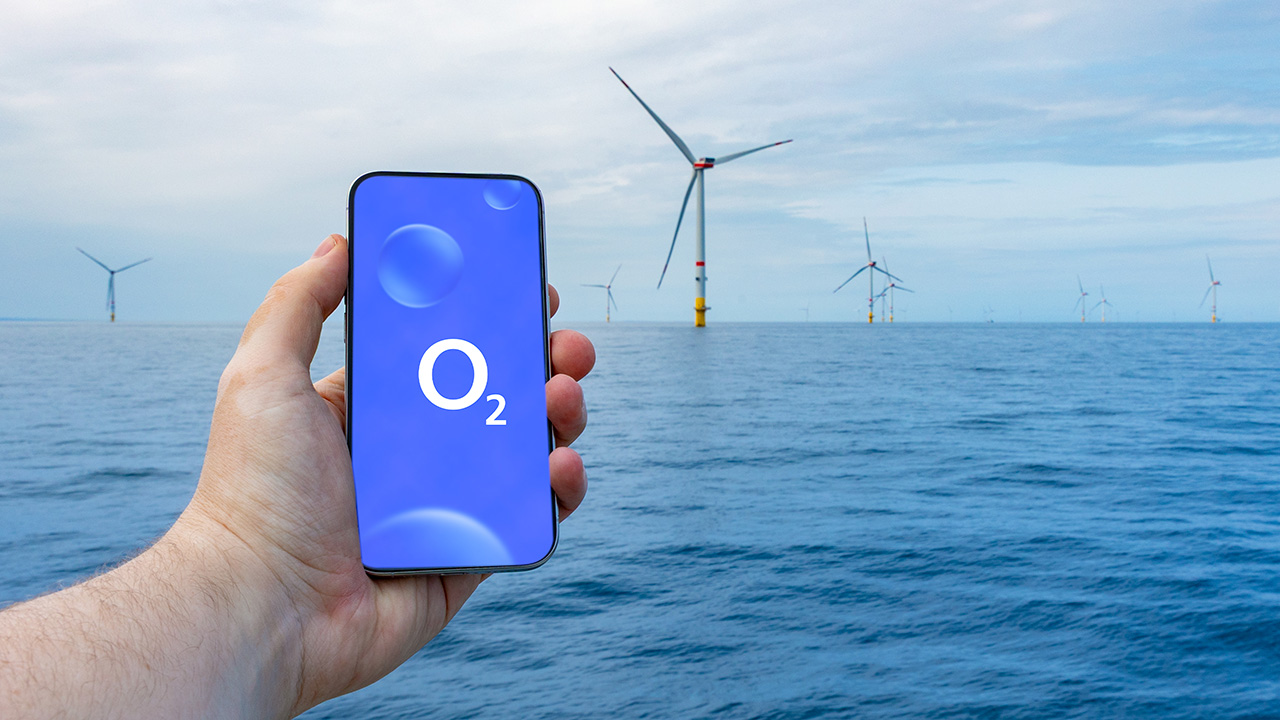
The O2 Network covers about 60 percent of its energy consumption with renewable energy from domestic coasts
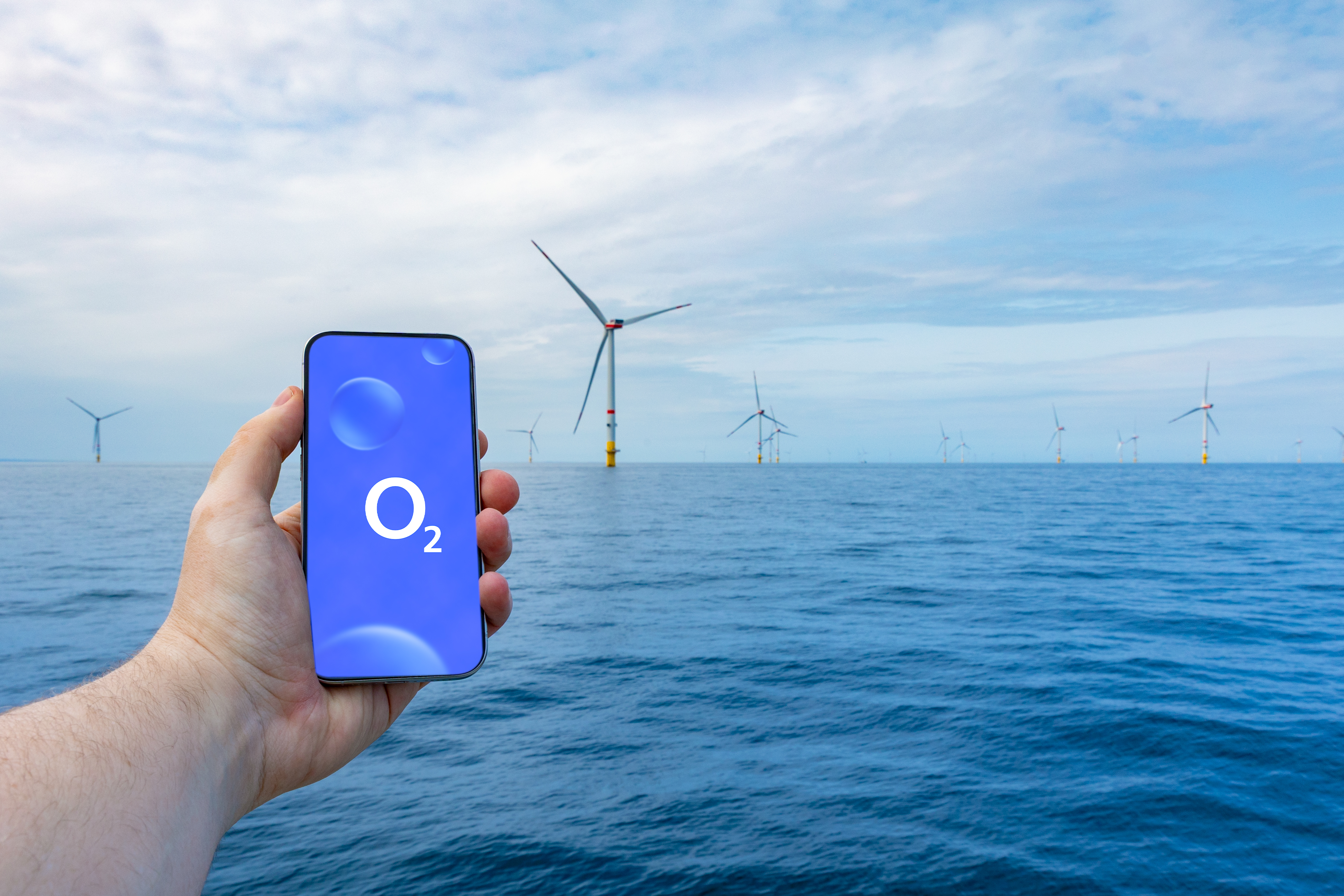
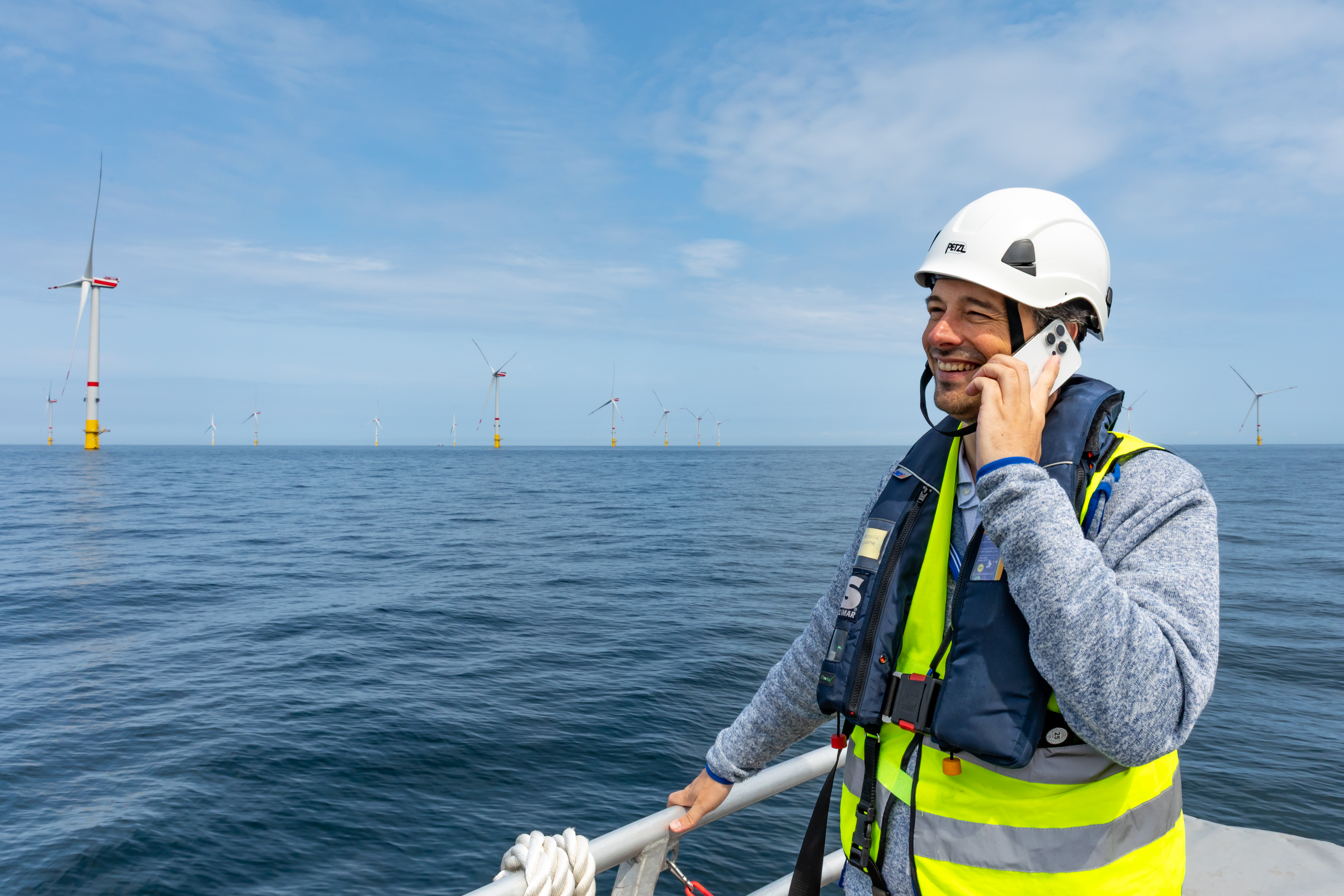
Telecommunications provider O2 Telefónica now covers more than half of its electricity needs with wind power from the German North Sea and Baltic Sea. People and businesses using the o2 mobile network, uploading files, and streaming music are now very likely to be using electricity from renewable sources directly from their local coastline. This is ensured by two power purchase agreements (PPAs) that supply energy for the majority of the more than 28,000 mobile phone sites in the O2 network.

Markus Haas
“From now on, we will be sourcing most of the electricity for our mobile network from wind power generated in regional sources. This approach shows how digitalization and sustainability can go hand in hand in Germany,” says Markus Haas, CEO of O2 Telefónica. “The majority of our energy requirements are attributable to network technology. This is precisely where our electricity supply contracts come in. They are an essential element in achieving our climate target of net zero by 2040 and enabling sustainable digitalization.”
Offshore wind farms reliably supply the O2 network with green electricity
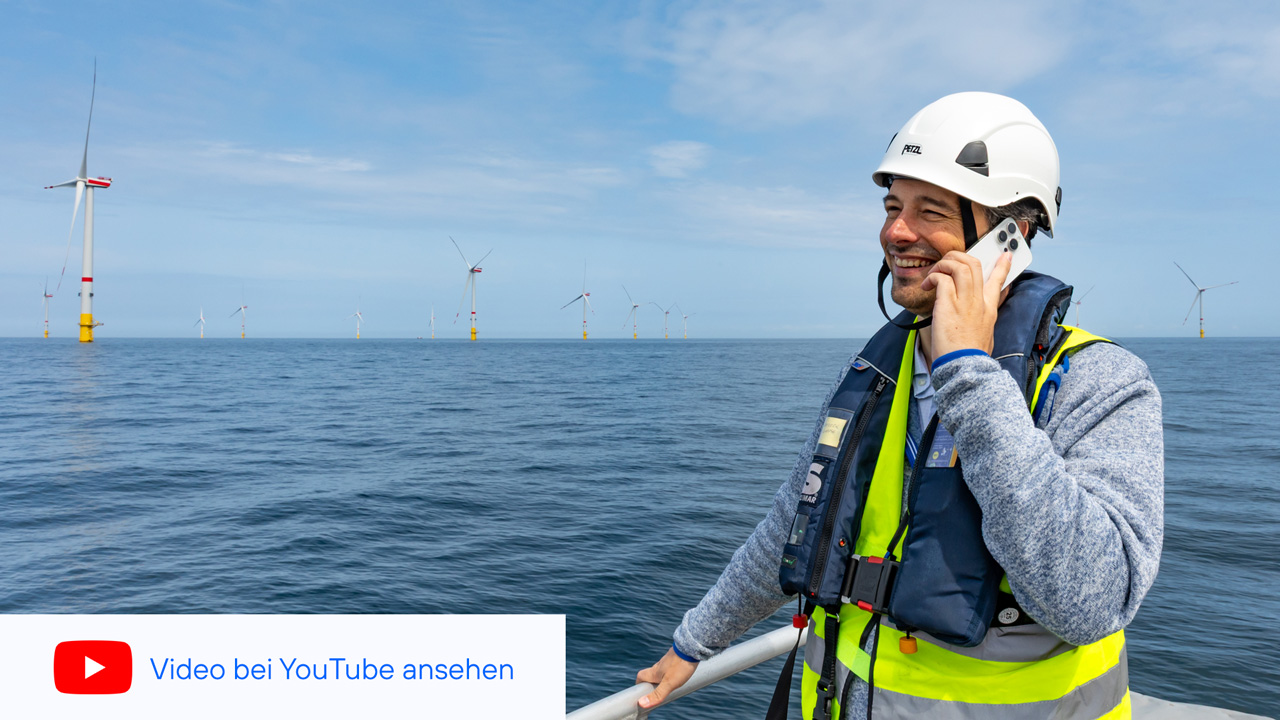
Starting July 2025, wind farm operator Iberdrola Deutschland will supply green wind power from the Baltic Eagle offshore wind farm off the island of Rügen, which will flow directly into the O2 network. The two partners have signed a long-term power purchase agreement (PPA) for this purpose in 2024. O2 Telefónica will purchase 200,000 megawatt hours of green wind power per year from Iberdrola. The agreement will run for 15 years until 2040.
Since January 2025, O2 Telefónica has been receiving green wind power from the Amrumbank West offshore wind farm, which is operated by energy supplier RWE west of the North Sea islands. This contract secures 350,000 megawatt hours per year for the telecommunications provider for the next eleven years.
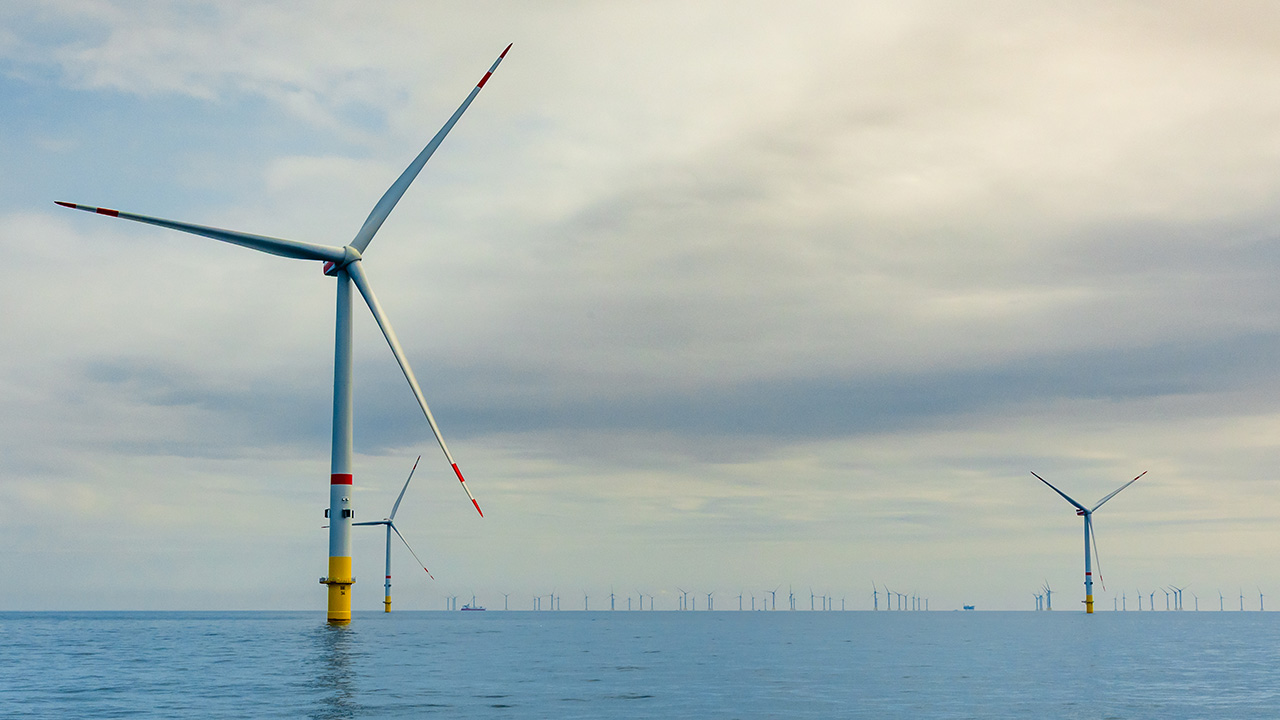
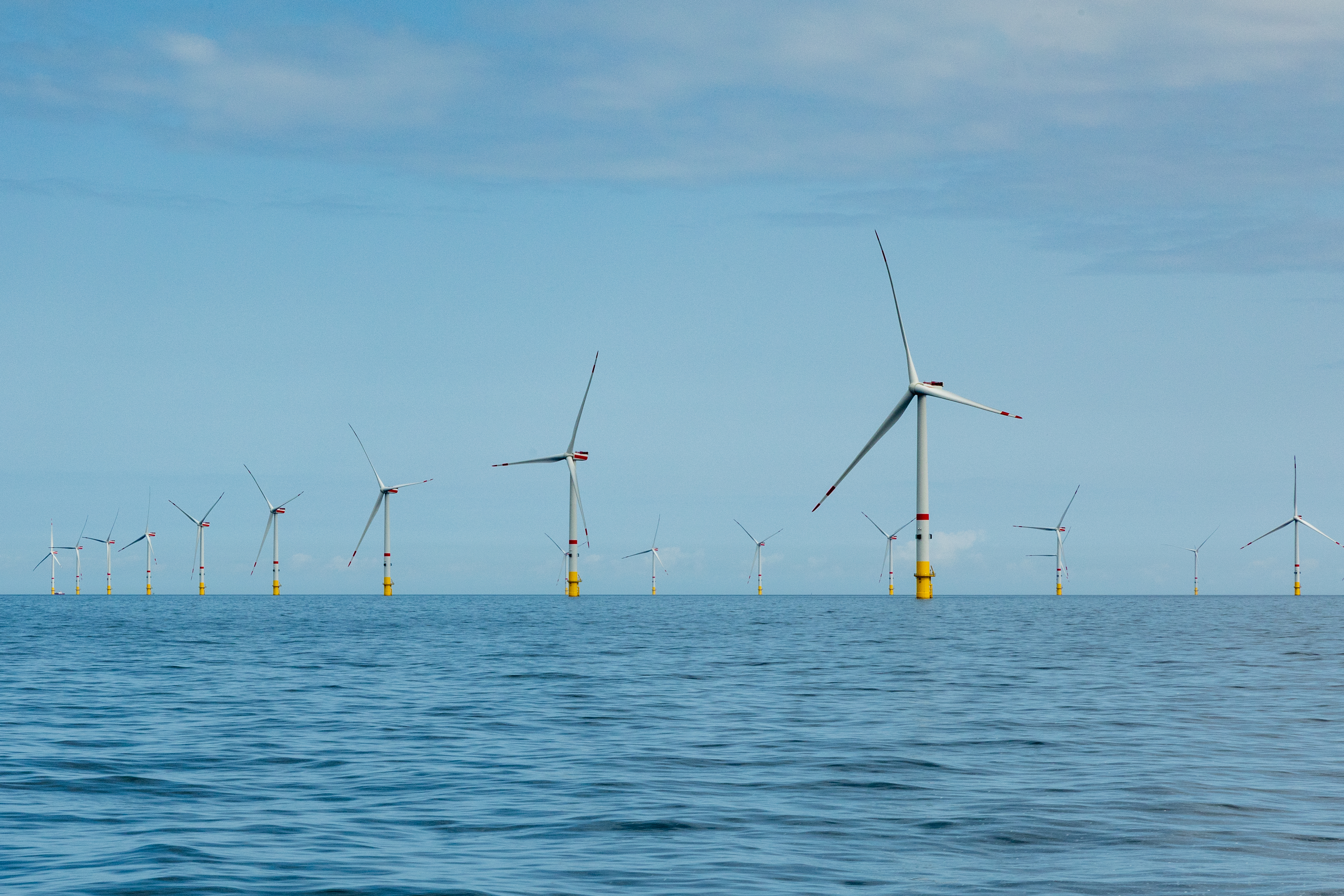
50 wind turbines off the island of Rügen generate clean energy
With a total of more than 500,000 megawatt hours of electricity from the wind farms, O2 Telefónica covers around 60 percent of its mobile network's electricity requirements in a climate-neutral manner. The telecommunications company switched to 100 percent green electricity back in 2016 – and a large proportion of this is now sourced directly from the German coast in the form of green electricity.
The electricity supply contracts also support the energy transition in Germany. They give energy suppliers long-term commercial security that the infrastructure for renewable energies will be widely adopted by companies such as O2 Telefónica.
Long-term contracts secure climate targets and predictability
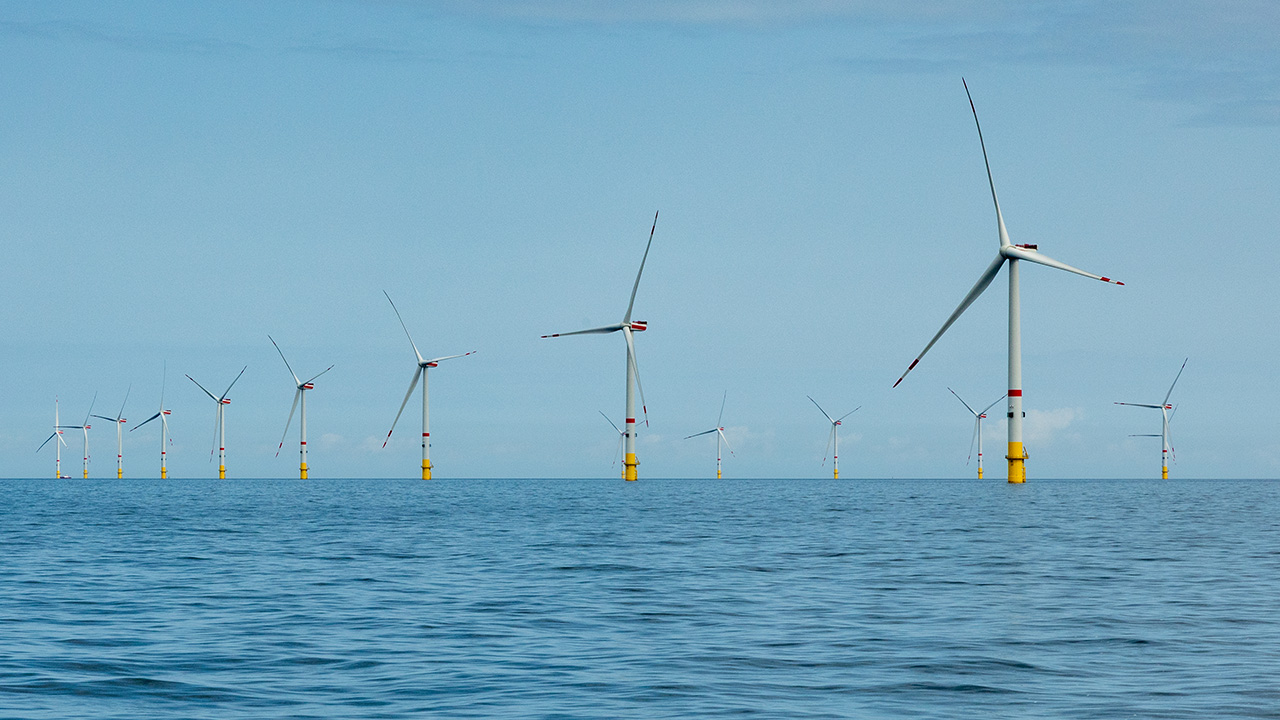
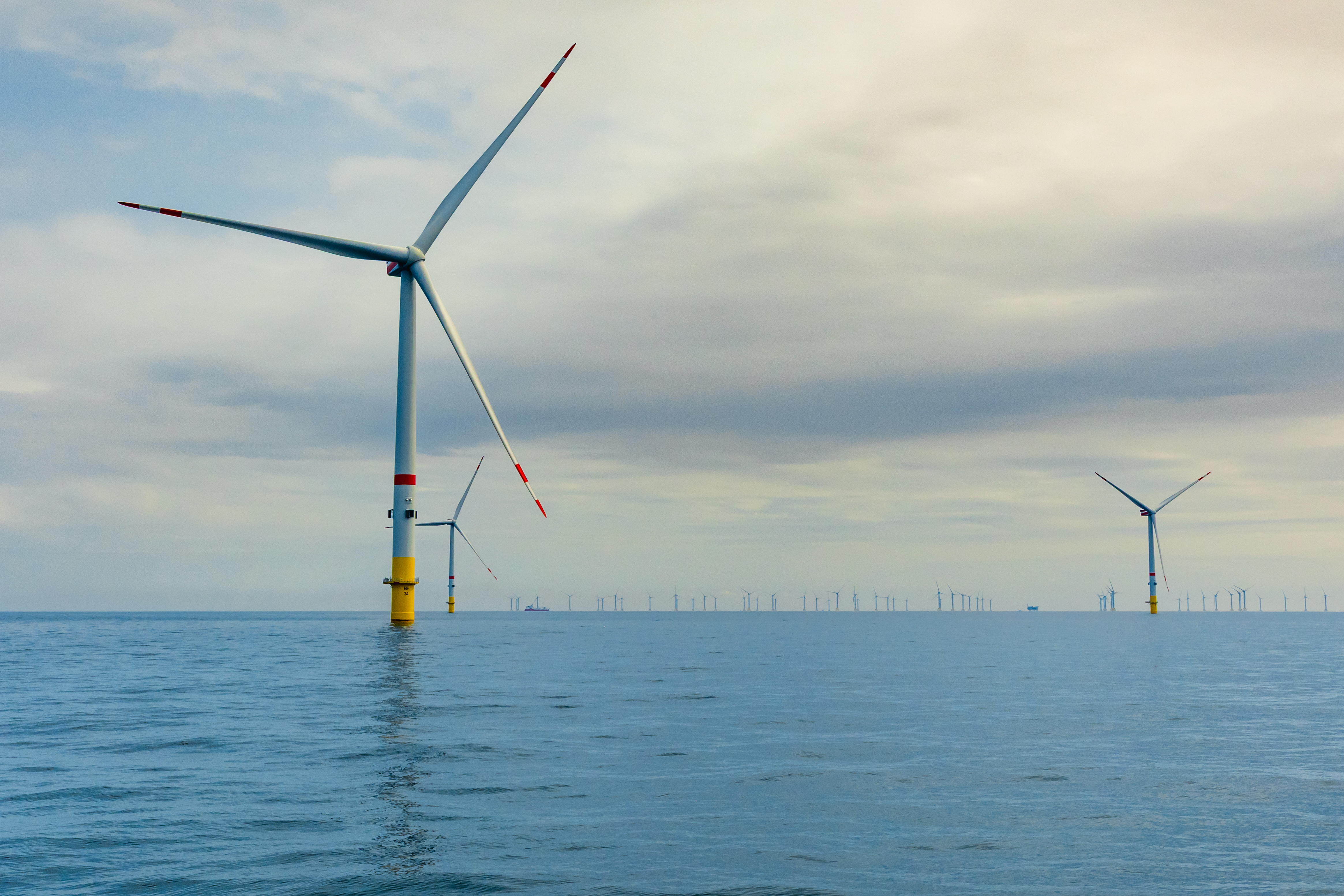
This is where the electricity for the O2 network comes from: Baltic Eagle wind farm in the Baltic Sea
“A reliable energy supply is the backbone of mobile communications. We secure ourselves against price fluctuations in the long term through our own electricity contracts. But a real digitalization push requires close cooperation between business and politics – with relief for operators of critical infrastructure and fair electricity prices. This will enable us to accelerate network expansion,” says CEO Markus Haas.
More than 34 million people use the O2 network for mobile telephony and data usage. In 2024, the network handled around 5.7 billion gigabytes. That is around 45 percent of the total mobile data volume in Germany and five times as much as five years ago. O2 Telefónica is therefore continuing to expand the network. New 5G sites, additional network capacity, and the construction of new sites will ensure a better network experience nationwide. Currently, around 99 percent of the company's energy requirements are attributable to network technology. Increasing mobile usage also requires more energy, which the company manages as efficiently as possible through electricity supply contracts and modern AI and cloud technologies. Artificial intelligence, which runs centrally via a cloud architecture, automatically puts individual frequency bands into standby mode during periods of low utilization. This saves up to ten percent of electricity.
With numerous measures, the company aims to achieve its goal of net-zero emissions by 2040. This is an essential part of O2 Telefónica's sustainability strategy.